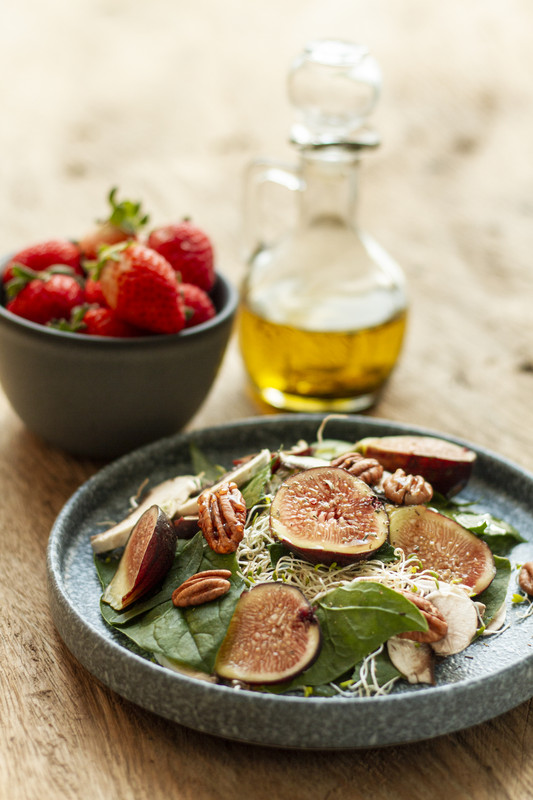
I have been interested in longevity research for several years, but living here has changed the nature of that interest. Before Portugal, longevity felt like an abstract problem, something studied in labs, optimised through protocols, discussed in podcasts. Here it is simply visible. There are people in this village in their eighties and nineties who are still walking to the market, still tending their land, still present in their own lives in a way that is genuinely striking.
I want to write about what I have observed, and where it maps onto what the research says, and where it doesn't.
The daily pattern
The oldest and healthiest people I have come to know here share a daily pattern that is, in retrospect, exactly what the longevity literature would predict. They wake early with the light. They move consistently, not intensely, but constantly, through the ordinary activities of their day. They eat real food, mostly plants, with olive oil as the primary fat, some fish, occasional meat. They eat at regular times, and they do not eat late. They spend time outside. They sleep when it is dark.
None of this is exotic. All of it is increasingly rare in modern life.
The olive oil question
Portugal produces some of the finest olive oil in the world, and here in Central Portugal it is not a condiment, it is a staple. It goes on bread for breakfast, into soups and stews at lunch, over salads and vegetables at dinner. The quantity consumed is, by any standard I was raised with, very large.
The research on extra-virgin olive oil and cardiovascular health is remarkably consistent. The polyphenols, hydroxytyrosol, oleuropein, oleocanthal, show meaningful anti-inflammatory activity. The PREDIMED trial remains one of the most significant nutrition studies of the last two decades, and its findings on olive oil and cardiovascular outcomes align closely with what I observe here. People who eat a lot of good olive oil, as part of a diet otherwise full of whole foods, seem to age well.
Longevity here is not a project. It is a side effect of the way people happen to live.
Social connection as a health variable
This is the thing that the longevity research keeps returning to, and that I think the wellness industry consistently underweights. The people who are oldest and healthiest in this community are not isolates optimising in private. They are embedded. They have been going to the same market for fifty years. They know people. People know them. There is an accountability of presence, you are expected, you are noticed, your absence would be remarked upon.
The research on social isolation and mortality risk is striking. The effect sizes are comparable to smoking. Yet we talk endlessly about diet and exercise and almost never about the health cost of loneliness, which is epidemic in the places many of us come from.
The stress variable
Chronic low-grade stress, the kind produced by financial precarity, commuting, information overload, the general pace of modern urban life, is now well understood as a driver of inflammatory processes and accelerated biological ageing. The mechanisms involve cortisol dysregulation, telomere shortening, mitochondrial function.
I cannot prove that the people in my village have lower chronic stress than people in a city. But their days are structured differently. The pace is different. The relationship with time is different. The absence of the low-grade urgency that characterised my previous life is something I feel in my body every day. Whether that is measurable, I suspect it is, though I have not measured it.
What I actually do differently now
I eat more olive oil than I used to. I eat fewer processed foods, not as a discipline, but because the alternative is available and better. I walk more, not as exercise but because walking is how things get done here. I sleep in a dark, cool room and I am in bed before ten most nights. I have one coffee, properly made, in the morning, and no coffee after noon.
None of this is a longevity protocol. It is just the way this place works if you let it. That, I think, is the real lesson from the oldest people I know here. Longevity is not a project. It is a side effect of the way people happen to live.