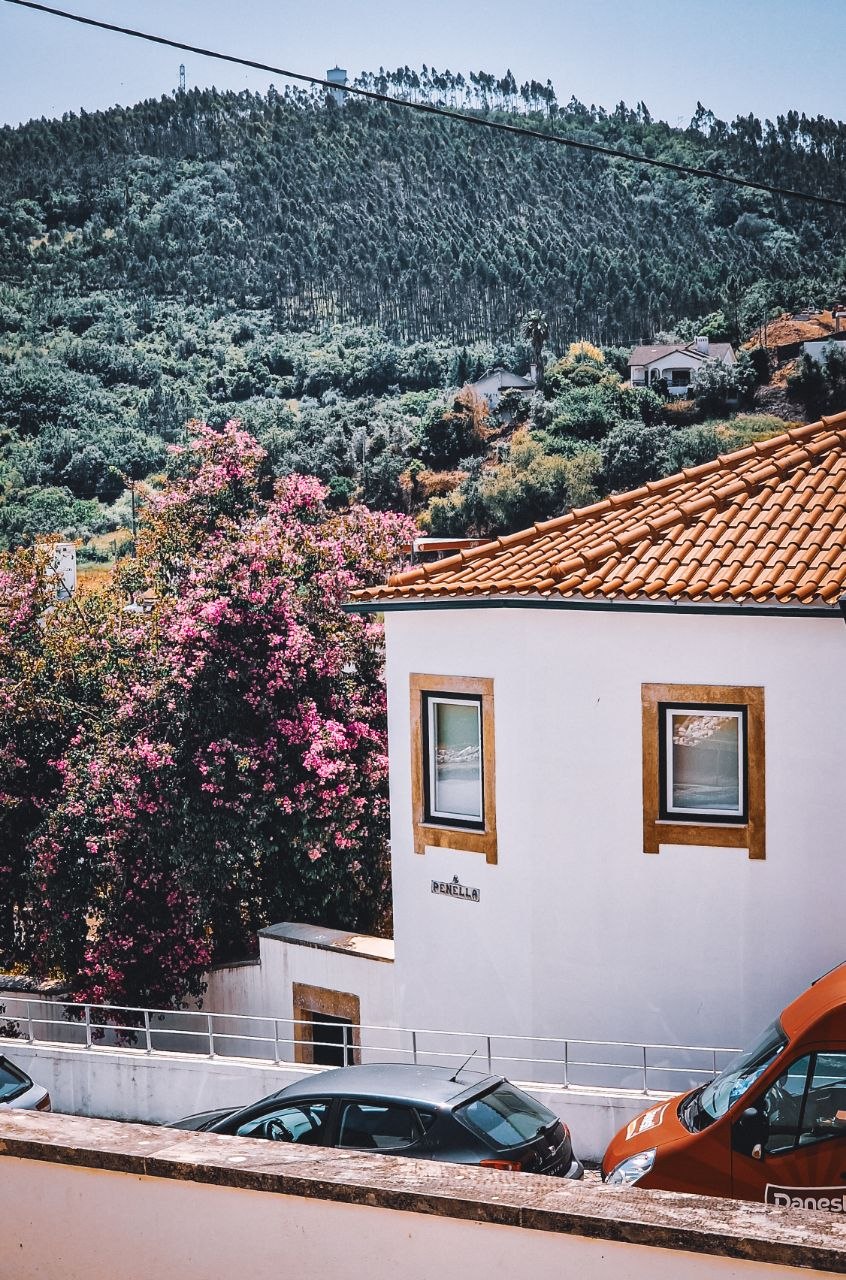
It starts before I am properly awake. There is a particular quality to the light here in the early morning, pale gold, horizontal, catching the dust in the air and making even the ordinary things look as if they have been placed deliberately. I have been here long enough now that I no longer notice it consciously, but I still feel it. That soft resistance to hurrying.
No alarm
We stopped setting alarms in the second month. I was nervous about it at first, the old anxieties about lateness, about missed things, about all the vague urgency that had structured my previous life. But here, the body finds its own time. It wants to wake when the valley does, around first light, and it wants to sleep when the dark comes. It is remarkably simple when you stop arguing with it.
The first thing I do is open the back door. Not to check anything, not to do anything, just to let the morning in. The smell of it changes with the season. Right now, in late winter, it is woodsmoke and cold earth and something green beneath it, the first suggestion of what is coming.
The market bread
On market days, Tuesday and Saturday, I walk to the village. It takes about twenty minutes on foot, which used to feel like an inconvenience and now feels like the correct amount of time. You arrive having earned the bread slightly. You carry it home warm.
The bread from the village bakery is made with a sourdough starter that the family has kept going for longer than I have been alive. It has a dark, crackling crust and a dense, sour interior that stays fresh for three days. I have tried to explain to people back home why this bread is different, and I cannot do it adequately. You have to taste something like that to understand the gap between real food and the pale approximations most of us grew up eating.
You have to taste something like that to understand the gap between real food and the pale approximations most of us grew up eating.
Coffee, slowly
The coffee comes next. I use a small stovetop moka pot, the kind that has been made in the same way since 1933, because it makes coffee that tastes right and because there is something satisfying about a process that requires attention. You cannot rush a moka pot. You have to listen for the hiss, be ready to pull it off the heat at exactly the right moment. It teaches patience in a very small way.
I drink it standing at the window, looking at the valley. Nothing about this is productive. I used to feel slightly guilty about that, the accumulated pressure of a culture that treats stillness as waste. I don't anymore. I think this standing, this looking, this tasting is actually what I am here for.
The valley waking up
Central Portugal is not a loud place. The sounds of a morning here are the birds, specifically the particular conversation between what I think is a blackbird and something I have not identified, that happens in the oak at the corner of the property every single morning without exception, and the distant engine of someone's tractor on the hill, and once or twice a week, old Senhor António calling to his dogs in a voice that carries all the way to our kitchen.
In the life I used to live, mornings were dominated by notifications, commutes, the pre-emptive anxiety of a full calendar. The contrast is so complete that sometimes I have to remind myself that both lives were real, that the person who rushed through those earlier mornings was also me.
This is what we came here for
I do not want to make this sound like paradise. Some mornings are grey and damp and the stove takes three attempts to light and there is something bureaucratic that needs attending to. But even on those mornings, there is an underlying quality to the day that I can only describe as mine. As chosen. As the actual texture of the life I wanted rather than the life that simply arrived.
That is what slow living is, I think, in the end. Not the aesthetic of it, the linen and the bread photos. The genuine sense that you are present for your own life. That is what we came for. Some mornings, standing at the window with the coffee, I remember to be grateful that we found it.